

First-Time Buyers: Specialized Home Inspections You Shouldn't Ignore
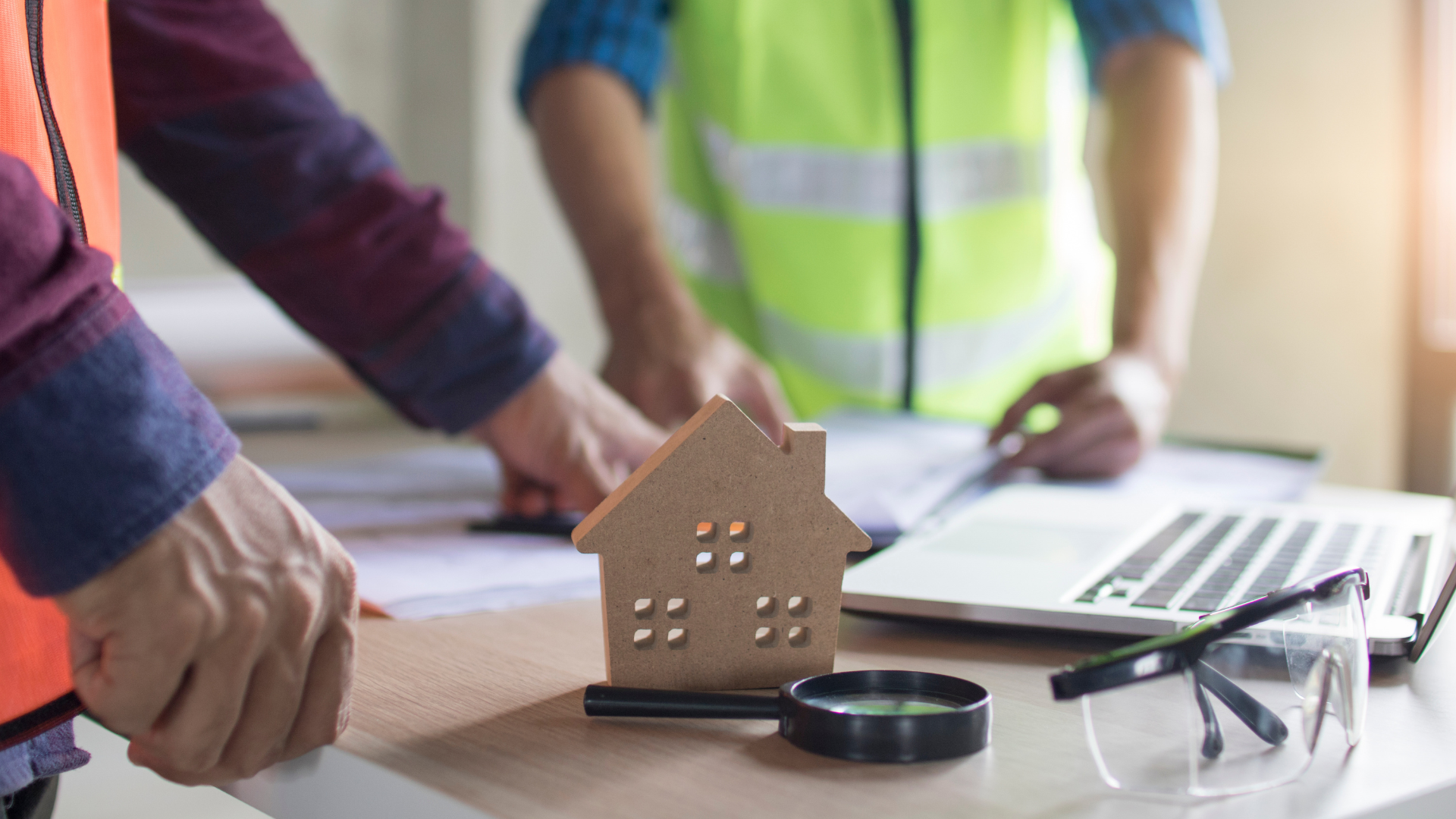
A standard visual home inspection is a non-negotiable step in the home-buying process, but first-time buyers frequently make a critical mistake: they assume it covers absolutely everything.
In reality, standard home inspections explicitly exclude underground, invisible, or specialized systems like buried sewer pipes, radon gas, private water wells, and septic drain fields. To prevent your dream home from turning into an absolute money pit, you should proactively budget for specialized inspection services during your due diligence period.
Here are the four specialized home inspections you simply cannot afford to ignore.
1. The Sewer Scope Inspection
-
Average Standalone Cost: $150 to $500 (often discounted to $100 to $250 if bundled with a general inspection).
-
How it Works: A licensed plumber feeds a high-resolution, waterproof camera attached to a flexible fiber-optic cable through a home's main cleanout pipe, sending a live video feed back to a monitor to inspect the interior structure of the lateral pipe.
-
What it Catches (Sewer Lateral Line Conditions):
-
Minor Blockages: Heavy grease build-up, minor root hair intrusion, or slow drainage flow. Typical Fix: High-velocity hydro-jetting or root cutting ($150 to $400).
-
Offset Joints & Minor Cracks: Physical shifting of pipe joints or localized fractures in clay or cast iron. Typical Fix: Targeted spot repairs or trenchless epoxy lining ($500 to $3,000).
-
Systemic Lateral Corrosion or Pipe Collapse: Structural pipe failure or severe root blockages crushing the line. Typical Fix: Open-cut excavation or trenchless pipe bursting ($3,000 to $10,000+).
-
Under-Street Failure: Pipe collapses occurring beneath public sidewalks, curbs, or city streets. Typical Fix: Street excavation, municipal permits, and asphalt restoration ($10,000 to $25,000+).
-
Why it’s Critical: Standard home inspectors only confirm that the indoor drains flow; they cannot see the underground line. If a lateral sewer line fails shortly after closing, replacing it can run from $8,000 to $30,000+. Furthermore, a leaking underground line can wash away supporting soil, causing severe foundation movement of up to six inches, buckling driveways, or sending raw sewage backing up into your basement.
2. Radon Gas Testing
-
How it Works: Radon is a naturally occurring, radioactive gas produced by the decay of uranium in soil and rock. It has no odor, color, or taste, making it impossible to detect without specialized equipment. It is also the leading cause of lung cancer in non-smokers.
-
The Three Diagnostic Testing Tiers:
-
DIY Passive Charcoal Canister ($15 to $30): This short-term canister absorbs radon over a 2 to 7-day period and is mailed to a laboratory. While highly inexpensive, it has an accuracy rate of ±25% and is very sensitive to indoor humidity and laboratory shipping delays. It is best used for a preliminary home screening.
-
DIY Passive Alpha Track Detector ($25 to $50): Left in the home for 90 to 365 days, this track detector has an accuracy rate of ±20%. It is highly accurate for measuring long-term, seasonal averages to understand your true annual health risk.
-
Professional Active Continuous Radon Monitor (CRM) ($125 to $250): Deployed for 48 hours by a licensed expert. This continuous electronic monitor has an accuracy rate of ±10%, providing calibrated, hour-by-hour data logging and active tamper-detection sensors to verify that windows were not opened to skew the test. This is the required gold standard for real estate transactions.
-
Why it’s Critical: If your radon test reveals levels at or above 4.0 pCi/L, the EPA recommends immediate mitigation. A professionally installed sub-slab depressurization system costs between $1,000 and $2,000. While a DIY mitigation kit costs $300 to $600, mistakes in sealing can inadvertently trap radon and increase the gas levels inside your living spaces.
3. Decentralized Rural Utilities (Wells & Septic Systems)
If you are purchasing a country home outside municipal boundaries, you are inheriting water and wastewater systems that no public utility maintains.
-
Private Water Well Inspections ($250 to $450 base cost; basic water lab test adds $75 to $125):
-
The Evaluation: A specialist conducts a flow rate yield test (running water for 1 to 3 hours to confirm a minimum yield of 10 gallons per minute) and pulls samples to test for E. coli, nitrates, lead, arsenic, and uranium.
-
The Cost of Failure: Replacing a failed well pump or pressure tank costs $2,500 to $6,000, while drilling a new well entirely can run between $8,000 and $15,000.
-
-
Onsite Septic Wastewater Inspections ($300 to $550 base cost; combined well & septic package runs $400 to $650):
-
The Evaluation: The inspector locates and excavates the tank lid (which adds $200 to $300 if buried deep), checks the structural integrity of the concrete baffles, and performs diagnostic drain field tests. These range from a low-cost dye test ($50 to $150) to a comprehensive hydraulic load test ($400 to $500), which introduces a high volume of water over 24 hours to simulate full household occupancy.
-
The Cost of Failure: Replacing a minor broken baffle costs $150 to $500. However, if the drain field is saturated, failing, or clogged, replacing it can easily cost $7,500 to $25,000.
-
4. Older Home Warning Signs (Pre-1980 Properties)
If you are buying a historic or vintage home, standard home inspections can easily miss massive environmental and safety hazards hidden behind the walls. You should proactively test for:
-
Asbestos or Lead-Paint Sampling ($100 to $300 per sample): Professional sampling is required to check texture materials, drywall, or pipe insulation before you start any demolition or renovation work.
-
Outdated Knob-and-Tube Electrical Wiring: This ancient two-wire wiring system has no grounding wire and is insulated with rubberized cloth that deteriorates and flakes away over time, presenting a severe fire risk. Because of this risk, most home insurance companies will deny coverage entirely or charge astronomical premiums until the home is rewired. Systematically replacing knob-and-tube wiring costs between $8,000 and $60,000 depending on the square footage of your home.
The Strategic Playbook
Paying $300 to $500 upfront for these specialized tests is the cheapest insurance policy you can buy. If these inspections uncover defects, you gain massive negotiation leverage. You can ask the seller to provide a closing cost credit so you can hire your own licensed contractors to resolve the issues after closing, preventing lender delays and ensuring the work is done to your high standards.